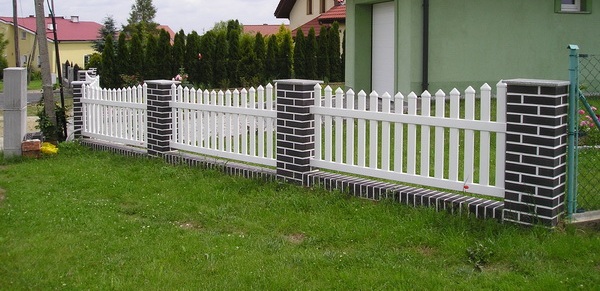
Aczkolwiek głazy sztachety te pochodzą z różnych epok oraz powstały w odmienny sposób zdarza się że są do siebie bardzo podobne, tak że nieraz mało biegłym ślipiem trudno je rozróżnić.
Własną karierę w ogrodzeniach zawdzięczają przyrodniczym maściom, trywialnej obróbce a także stosunkowo niskiej zapłacie. Występują w wielu okręgach Polski – piaskowiec najprościej wyszukać w Górach Świętokrzyskich, Karpatach oraz Dolnym Śląsku, wapienie – na Lubelszczyźnie, Wyżynie Krakowsko -Częstochowskiej i także w Górach Świętokrzyskich. Ten towar ogrodzeniowy pozyskuje się metodą odkrywkową w kamieniołomach, po czym rozkrusza lub od razu obrabia, umieszcza na solidnych paletach, oplątuje drucianą siatką i posyła do miejsca budowy balustrady plastikowe na plot i bramę ogrodzeniowa. Wykorzystywany na ogrodzenia piaskowiec to nic innego jak scalony lepiszczem piasek, jakiego ziarna nie przekraczają 2mm wielkości. Gdy spoiwem jest np. krzemionka, określamy go krzemionkowym (kwarcyt), kiedy związki wapnia -wapiennym. Oprócz substancji zlepiających występują tam również pozostałe domieszki, np. związki żelaza. Dzięki nim przekształca się odcień głazów na sztachety plastikowe na ogrodzenie i bramkę ze sztachetek, przybierają one wówczas różne odcienie czerwieni, brązu a także zieleni. W przyrodzie ułożone są w warstwy o różnorakiej grubości, sięgającej nawet kilkudziesięciu metrów. Spośród tak pokaźnych złóż wycina się największe bloki, użytkowane później np. w rzeźbiarstwie. Uzyskane bloki skalne wolno również siekać na sześciany o proporcjonalnych zarysach, używane potem w budownictwie (również na ogrodzenia). Można też je dzielić przy asyście specjalistycznych klinów i dłut na cienkie, nierównych konturów kawałeczki. Służą do układania powierzchni ścieżek oraz konstrukcji murków ogrodzeniowych.
Na nowoczesne ogrodzenie plastykowe wykorzystuje się także wapienie - skały aluwialne, powstałe z nagromadzonych na dnie mórz oraz jezior resztek organizmów żywych, najczęściej muszli małż oraz ślimaków.
Przeważnie są bardziej miękkie niż piaskowce, a dzięki temu łatwiejsze w obróbce, lecz także mniej trwałe. Wapienie pochodzące z archaicznych epok geologicznych są twardsze, można je nawet polerować polecane na ogrodzenie z PCV na ogrodzenie i furtkę ogrodzeniowa. Nadają się jednakże po największej części do wykorzystywania wewnątrz, albowiem poddawane działaniu warunków atmosferycznych ekspresowo tracą połysk. Wapienie wolno zastosować do konstrukcji murków ogrodzeniowych, na ścieżki a także dojazdy, do urządzania skwerów skalnych. Na Lubelszczyźnie stosuje się je też do budowy domów. Na powierzchnie ścieżek ogrodowych najlepiej nadają się piaskowce krzemionkowe, ponieważ są odporniejsze na szlifowanie aniżeli np. Wapienie.
W zależności od stylu skweru a także naszych upodobań kształt kamiennych tafel może być urozmaicony – od łamanych, nierównych, aż po pionowo przyciętych prostokątów lub kwadratów. Murki oraz ogrodzenia Winylowe na ogrodzenie i furtkę ze sztachet tworzy się z kamieni różnego zarysu, ułożonych na kamiennym bądź betonowym fundamencie. O ile ogrodzenie powstaje spośród fragmentów o nietypowych konturach, wypada je trafnie zestawiać tzn. tak, aby postać każdego następnego scalał się z poprzedzającym. Żeby takie ogrodzenie było stabilne jego grubość powinna wynosić 50-70 cm. Większe szpary w środku można wypełniać zaprawą cementową i gruzem. Płot z bloczków kamiennych o przyciętych równych bokach muruje się równie jak z cegły czy też pustaków. Piaskowce i wapienie możemy wykorzystać też do konstrukcji schodów, kominków ogrodowych i innych komponentów tzw. małej architektury. Piaskowce użytkowane do budowy ogrodzenia PCV z Kraśnika należą do głazów mało odpornych na działanie elementów atmosferycznych. Pod wpływem wody, słońca oraz ujemnych temperatur szybko niszczeją i nabierają ciemnego koloru. Bez trudu przerastają także mchem a także wodorostami. Można to udaremniać pokrywając pokrywę ogrodzenia bądź rzeźb specjalnymi impregnatami. Nie usiłujmy skrobać brud z powierzchni ogrodzenia Poznań ostrymi narzędziami np. drucianą szczotką, ponieważ na kamieniu mogą utrzymywać się ostre rysy. Wyspecjalizowane firmy pucują kamień ogrodzeniowy tzw. piaskarkami. Jeżeli nie mamy możliwości automatycznego mycia ogrodzenia Poznań z piaskowca spróbujmy oczyścić go wodą z detergentem przy pomocy szczotki ryżowej. Jeżeli jednak chcemy, aby głazy na ogrodzeniu migiem wyglądały na stare, nie możemy ich niczym zabezpieczać ani czyścić.